Building a Future-Proof Brand with AI Content Generation

To stay relevant in today's digital landscape, you need to be omnipresent. That means blogs, social media posts, videos, email sequences, case studies, and podcast scripts — all running constantly, all on-brand, all optimized for engagement and search. Doing this manually with a small team is not just difficult; it's functionally impossible at the scale required to compete in 2026.
The volume of content required to "break through the noise" has increased by an estimated 10x over the past five years. The average buyer consumes 11.4 pieces of content before making a purchase decision. The brands that are present across all of those touchpoints — with content that is relevant, timely, and personalized — are the brands that win. Only companies using AI content engines can produce at the volume required to be everywhere their customers are looking.
The Content Volume Crisis
To understand why AI content generation has shifted from "nice-to-have" to "operationally essential," consider what comprehensive content marketing actually requires in 2026. A competitive content program for a mid-size business should ideally produce: 4-8 SEO-optimized blog posts per month, 20-30 social media posts per week across 3-5 platforms, 2-4 email newsletters per month, 1-2 video scripts per week, 4-6 customer case studies per quarter, and ongoing landing page copy for campaigns and offers.
That's the equivalent of 3-5 full-time content writers working exclusively on your brand. For most businesses, the budget for that headcount doesn't exist. The result is a content program that's perpetually understaffed, inconsistent, and strategically compromised because the team never has enough capacity to execute against the full opportunity.
AI content generation doesn't just help with this problem — it fundamentally solves it. A well-configured AI content engine on AIO Portal can produce all of the above content volume for a fraction of the cost of a single content writer, with consistent brand voice, SEO best practices built in, and the ability to scale instantly when campaign needs increase.
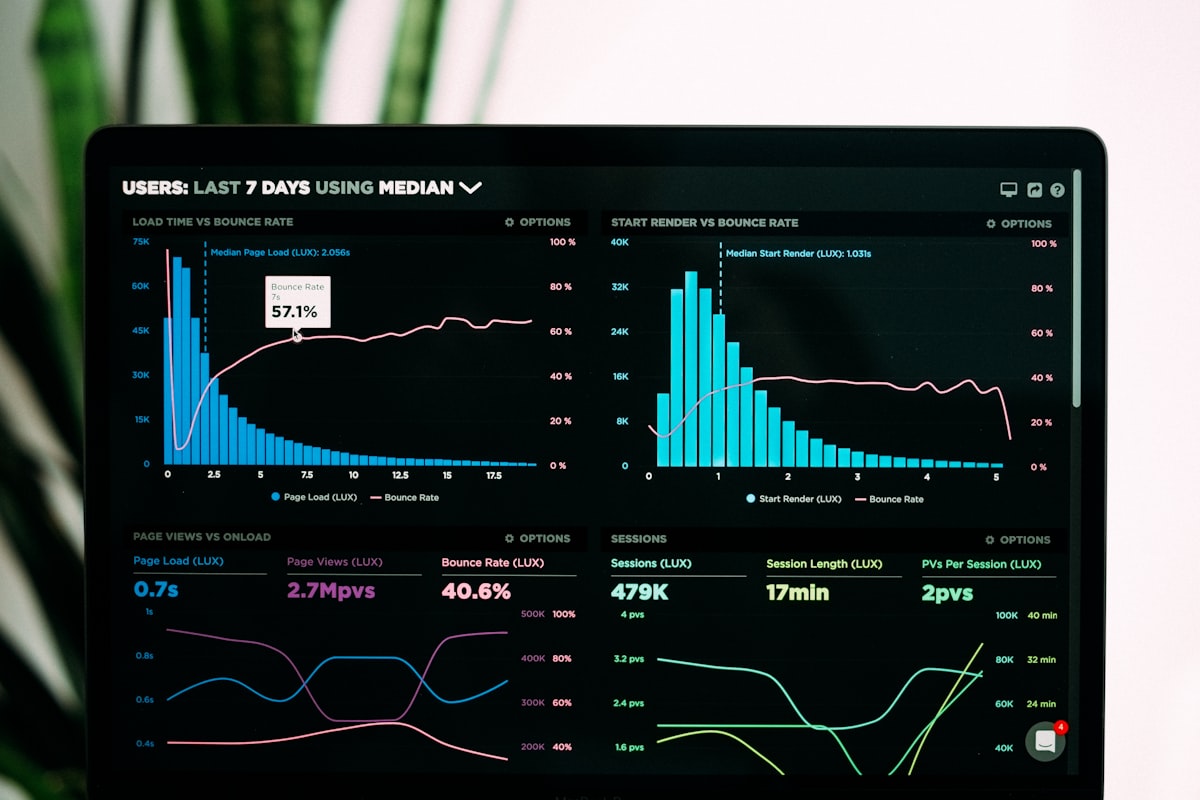
Figure 1: Content Velocity — Manual Production vs. AI-Assisted Output.
The AI Content Engine: How It Actually Works
Enter the AI Content Creator. By feeding your brand voice guidelines, target audience personas, content pillars, and approved messaging frameworks into an agentic workflow, you can generate weeks of high-quality content in minutes. But the effectiveness of an AI content engine is entirely dependent on the quality of the inputs you provide. Here's how to configure a system that produces content you'd actually be proud to publish:
Brand Voice Definition
The most critical input to any AI content system is a detailed brand voice document. This isn't a vague paragraph about "being authentic and professional" — it's a specific, example-rich guide that defines your vocabulary preferences, sentence structure patterns, tonal range (professional but approachable, expert but not condescending), words and phrases to always use, words and phrases to never use, and 3-5 examples of content that perfectly embodies your brand voice.
Audience Persona Depth
The more specifically you can define who you're writing for, the more targeted and resonant your AI-generated content will be. Go beyond demographics — describe your ideal reader's specific challenges, the language they use to describe those challenges, the questions they're asking before they find you, and the outcomes they're ultimately trying to achieve.
Content Pillar Framework
Define 4-6 core content pillars — strategic themes that align with your business objectives and your audience's interests. For a business like AIO Portal, those might be: AI Automation, Lead Generation, Customer Retention, Agency Growth, Technology ROI, and Business Systems. Every piece of content maps to one of these pillars, creating a coherent, strategically aligned content ecosystem rather than a random collection of articles.
Maintaining Quality Without Sacrificing Velocity
The secret isn't just generating text; it's generating context-aware text that delivers genuine value to real humans. Our AI analyzes top-performing content in your specific niche — the articles ranking on page one, the social posts with the highest engagement, the email campaigns with the best open rates — and models your output to match those patterns while incorporating your unique perspective and expertise.
Quality assurance in an AI content workflow has three layers. First, the prompt layer: detailed, specific prompts that include the target keyword, content structure requirements, word count targets, and specific points to include or avoid. Second, the human review layer: a 10-15 minute editorial review by a team member who checks for accuracy, adds specific examples or data points, and ensures the content feels authentically human. Third, the performance feedback layer: monitoring content performance (rankings, traffic, engagement, conversion) and feeding that data back into the system to continuously improve output quality.
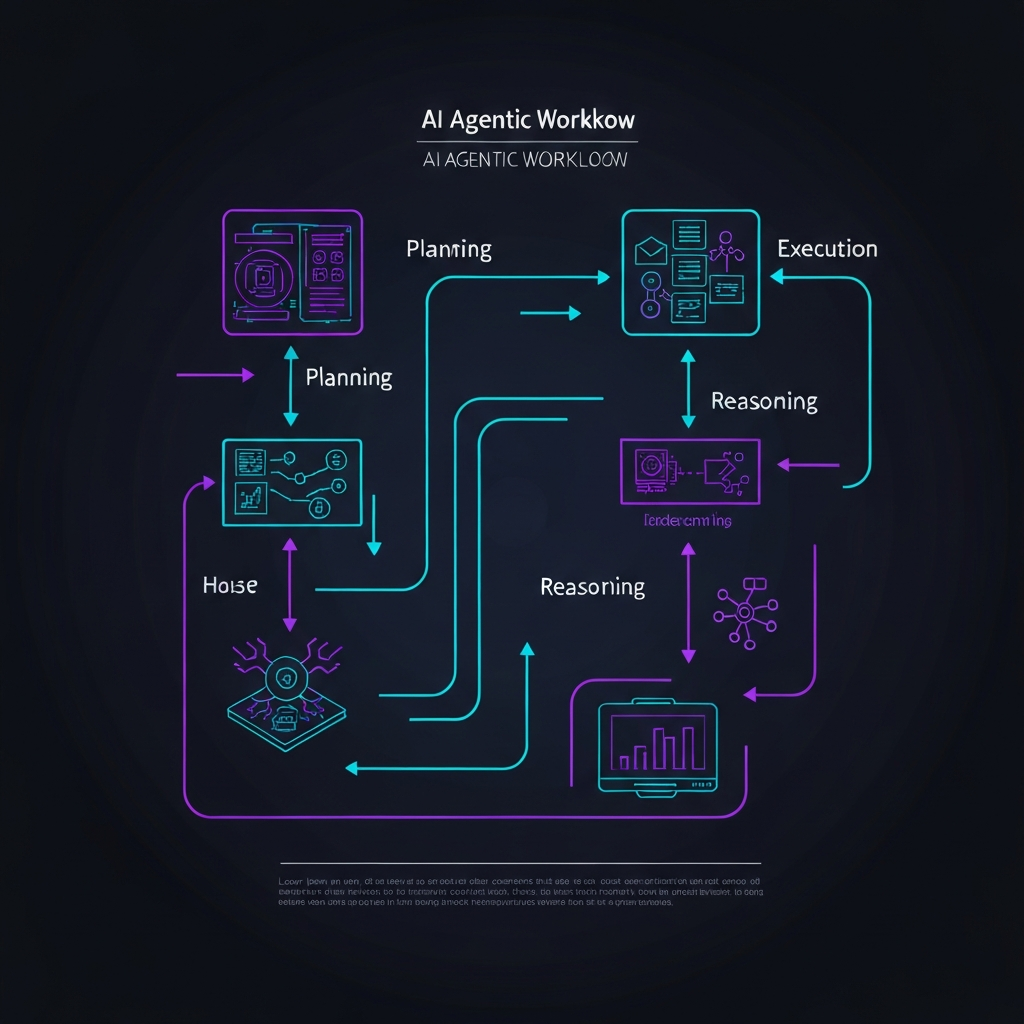
Figure 2: AI Content Workflow — From Brief to Published, Quality-Controlled at Scale.
SEO Optimization at Scale
One of the most powerful advantages of AI content generation is the ability to execute SEO strategy at a scale that simply isn't possible with a manual content team. Consider keyword clustering: the process of identifying 100-200 target keywords, grouping them by topical relevance and search intent, and creating a dedicated piece of optimized content for each cluster. Manually, this is a 6-12 month project. With an AI content engine, it's a 2-3 week sprint.
AIO Portal's content AI incorporates keyword research and SEO best practices natively. Every piece of content it generates includes: the primary keyword in the title and first 100 words, secondary keywords integrated naturally throughout, a properly structured heading hierarchy (H1, H2, H3), an optimized meta description, and internal linking suggestions to relevant existing content. SEO isn't an afterthought — it's built into the generation process from the first word.
Repurposing: The Force Multiplier of AI Content
The highest leverage use of AI content generation isn't producing original content — it's repurposing existing high-performing content into new formats at scale. A single 2,000-word blog post that performs well can be repurposed by AI into: a LinkedIn carousel post, a Twitter/X thread, a YouTube video script, three Instagram caption variations, an email newsletter, a short-form video script for TikTok or Reels, and a podcast episode outline. That's 8-9 additional pieces of content from a single source, each optimized for the norms and formats of its specific platform, produced in minutes rather than days.
This repurposing flywheel means that every investment in high-quality original content compounds into an omnichannel presence that would otherwise require a content team 5x your current size. Your best ideas reach your audience in every format they prefer to consume, on every platform they use to discover content.
Building Your AI Content Workflow: A Practical Implementation Guide
Ready to implement? Here's a practical step-by-step framework for building your AI content engine on AIO Portal:
- Document your brand voice: Write the comprehensive brand voice guide described above. This is the foundation everything else is built on. Invest at least a full day in this document.
- Define your content pillars: Align 4-6 content pillars with your business objectives and audience interests. Every content request should map to one of these pillars.
- Build your keyword map: Compile your target keyword list, organized by pillar and by search intent (informational, commercial, transactional). This is your content roadmap.
- Create your prompt templates: Develop standardized prompt templates for each content format (blog post, social caption, email, video script). Good templates take 30 minutes to create and save hours per piece thereafter.
- Establish your editorial process: Define who reviews AI content, what they check for, and the standard feedback format they use to improve future outputs.
- Measure and iterate: Track organic traffic, engagement rates, and conversion attribution for AI-generated content. Use performance data to refine your prompts and brand voice documentation continuously.
The future-proof brand is not the one with the biggest content team or the largest budget — it's the one that has built an AI-powered content engine that produces at volume, maintains quality, and improves continuously. That brand is present everywhere its customers are looking, on every platform they use, in every format they prefer. That brand wins the long game. Building that engine starts with a single decision to stop doing content manually and start doing it intelligently.

Will Porter
Founder, CEO & AuthorWill is the visionary behind AIO Portal, dedicated to helping businesses scale seamlessly through autonomous AI, agentic workflows, and next-gen automation systems.